
Solid hardwood and engineered hardwood can look nearly identical after installation, but they respond differently to moisture, subfloors, seasonal humidity, and refinishing. Solid hardwood is one piece of wood from top to bottom. Engineered hardwood uses a real-wood wear layer over a multi-layer core. Neither is waterproof. Engineered construction generally improves dimensional stability, but product quality varies widely. The right choice depends on the room, substrate, installation method, wear-layer thickness, and how long you expect to keep and refinish the floor.
Compare Solid and Engineered Hardwood
The cost row remains quote-based because product and installation specifications vary widely. Compare identical species, grade, width, finish, preparation, installation, and trim.
| Feature | Solid hardwood | Engineered hardwood |
|---|---|---|
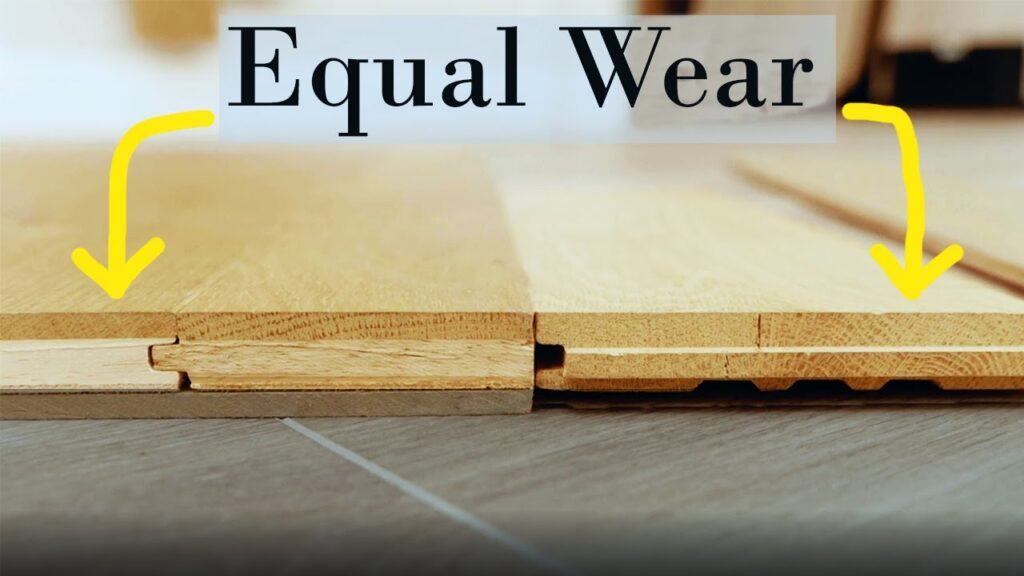
| Construction | One solid wood piece | Real-wood wear layer over plywood, softwood, or fibre-based core |
| Dimensional stability | More movement with humidity changes | Generally more stable because of layered construction |
| Below-grade use | Usually not recommended | Some products permit below-grade installation when moisture conditions and methods comply |
| Concrete slab installation | Limited and method-specific | More glue-down or floating options, depending on product |
| Refinishing | Often allows more sanding over its service life | Depends on wear-layer thickness, bevel, finish, and installation |
| Plank width | Wider boards require tighter humidity control | Layered core can improve stability in wider formats |
| Water tolerance | Vulnerable to leaks and high moisture | More stable, but still vulnerable to water and finish damage |
| Relative cost | Product and installation quote | Product and installation quote |
How Solid Hardwood Is Made
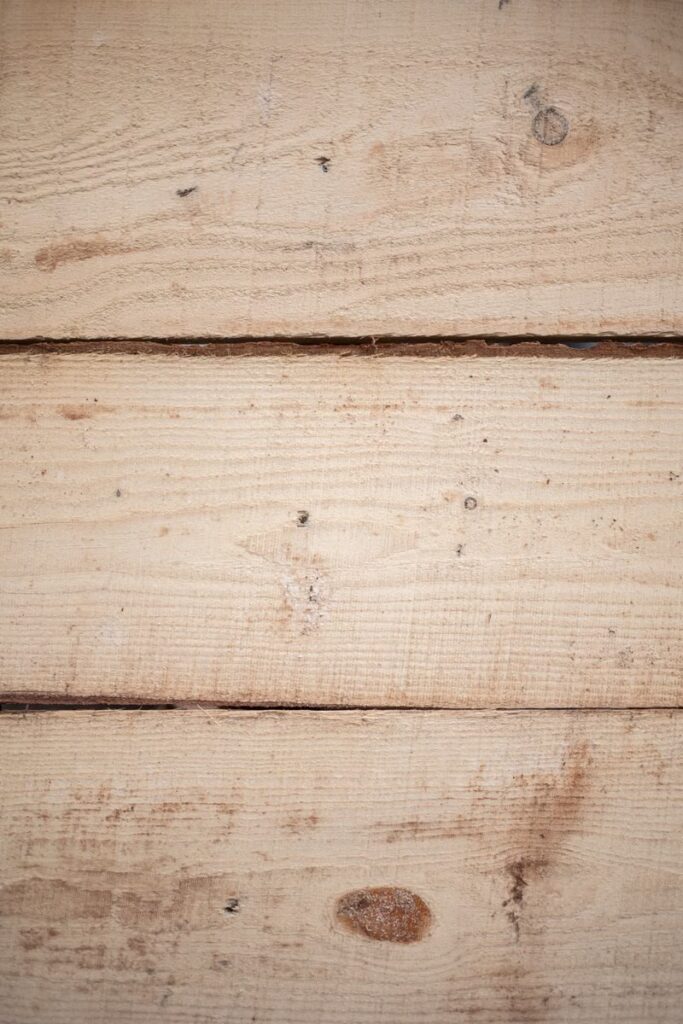
Each solid plank is milled from one piece of timber. Common Toronto-area choices include oak, maple, and other domestic or imported species. Planks may be factory-finished or sanded and finished on site.
Advantages
- substantial wear thickness above the tongue in many products;
- multiple refinishing opportunities when the construction permits;
- natural depth and variation;
- long service potential; and
- familiar value in traditional and custom homes.
Limitations
Solid wood expands and contracts across its width as indoor humidity changes. Wide planks show more movement than narrow planks under the same conditions. Gaps during dry heating seasons and expansion during humid periods are not necessarily installation defects, but poor acclimation or humidity control can make movement excessive. Solid hardwood is generally installed over a suitable wood subfloor using nails or staples. Basements and concrete slabs require particular caution and are usually better served by a product specifically approved for those conditions.
How Engineered Hardwood Is Made
Engineered flooring has a real hardwood face bonded to a layered core. The core may use cross-laminated plywood, softwood layers, or high-density fibreboard, depending on the product.
Advantages
- improved dimensional stability in changing humidity;
- broader installation choices over suitable concrete or wood substrates;
- availability in wide planks;
- real-wood appearance; and
- some products approved for below-grade or radiant-heat applications.
Limitations
Wear layers range from very thin decorative veneers to substantial sawn faces. A thin face may not tolerate sanding. Fibre-based cores may react poorly to water even when the plank is dimensionally stable in normal humidity. Low-quality cores, poor bonding, or weak finishes can shorten service life. “Engineered” describes the construction, not the grade. Review the wear layer, core, finish, warranty, and installation instructions.
Moisture Tolerance Is Not Waterproofing
Engineered hardwood usually handles seasonal humidity changes better than solid hardwood. That does not make it safe over a damp slab or after a plumbing leak. Before either floor is installed:
- repair building and plumbing leaks;
- bring the space to normal operating temperature and humidity;
- test wood subfloors and concrete using the manufacturer’s required methods;
- confirm crawlspace or basement conditions below the floor;
- document moisture readings; and
- follow acclimation instructions for the exact product.
After a leak, both flooring types may cup, crown, stain, delaminate, or develop finish damage. Engineered cores can separate if water remains trapped.
Which Floor Can Be Refinished?
Solid hardwood can often be sanded more times because it has solid material above the tongue. The exact number depends on remaining thickness, previous sanding, board flatness, fasteners, bevels, and damage. Engineered hardwood refinishing depends on its wear layer. A substantial sawn wear layer may allow professional sanding; a thin veneer may permit only screening and recoating, or no sanding at all. Deep hand-scraped textures and bevels also limit the result. Ask for the wear-layer thickness and written refinishing guidance before purchase. Do not rely on a salesperson’s general statement that all engineered floors can be refinished.
Installation Methods
Nail or Staple
Common for solid hardwood and some engineered products over a suitable wood subfloor. Fastener type, length, spacing, subfloor thickness, joist direction, and expansion space must follow the product instructions.
Glue-Down
Common for selected engineered floors over concrete or wood. Slab preparation, flatness, moisture limits, adhesive coverage, open time, and trowel size determine performance. Adhesive can also affect future removal.
Floating
Some engineered floors click together or glue at the joints over an approved underlayment. Floating installation can simplify work over certain substrates, but it needs flatness, perimeter clearance, maximum-run limits, and compatible cabinets or transitions. Solid hardwood is not usually a floating product unless specifically manufactured as one.
Subfloor and Slab Preparation
A premium floor will not hide a poor substrate. Confirm:
- flatness over the manufacturer’s specified distance;
- secure panels and corrected squeaks;
- suitable subfloor thickness;
- clean concrete without incompatible coatings or contaminants;
- repaired cracks and low areas;
- moisture and pH limits for the adhesive or underlayment; and
- transitions at tile, stairs, doors, and adjacent rooms.
Levelling compounds, grinding, panel replacement, stair work, and baseboard repair can materially change the installed cost.
Where Solid Hardwood Works Best
Solid hardwood is a strong choice for:
- above-grade living rooms, dining rooms, bedrooms, and hallways;
- homes with stable indoor humidity;
- projects that value long-term refinishing;
- traditional nail-down installation; and
- owners who accept natural seasonal movement.
Avoid or carefully evaluate bathrooms, laundry rooms, below-grade spaces, slab-on-grade areas, and entrances exposed to frequent water.
Where Engineered Hardwood Works Best
Engineered hardwood can be a better fit for:
- concrete slabs where the selected product and adhesive are approved;
- some below-grade family rooms and offices with controlled moisture;
- wider-plank designs;
- homes with radiant heat when the manufacturer permits it;
- renovations where floor thickness must be controlled; and
- installations needing floating or glue-down options.
For basement-specific alternatives and moisture planning, see GMC Construction’s basement flooring guide.
Kitchens, Bathrooms, and Entrances
Wood flooring can work in a kitchen when spills are cleaned promptly and appliance leaks are managed, but dishwasher, refrigerator, sink, and exterior-door risks remain. Use leak sensors, appliance pans where suitable, mats that do not trap moisture, and accessible shutoffs. Bathrooms and laundry rooms expose flooring to more frequent water. A wood look does not require a wood product; porcelain or vinyl may provide a lower-risk finish. At entrances, grit and road salt can scratch finishes. Provide walk-off mats and choose a finish that can be maintained locally.
Radiant Floor Heating
Some engineered products and selected solid species or widths are approved over radiant heat; others are not. Confirm the full system:
- heating type;
- maximum surface temperature;
- rate of temperature change;
- subfloor or slab construction;
- adhesive or underlayment;
- species and plank width; and
- indoor humidity range.
Do not run heating under fixed cabinets or use insulating rugs beyond the system limits. Commission the floor and heating according to the written instructions.
Compare Product Quality
For solid hardwood, review:
- species and hardness;
- grade and colour variation;
- plank width and length mix;
- milling accuracy;
- finish system and sheen;
- moisture content; and
- usable thickness above the tongue.
For engineered hardwood, also review:
- wear-layer thickness and whether it is sawn or peeled;
- core material and number of layers;
- total plank thickness;
- locking profile or tongue-and-groove construction;
- edge and end treatment;
- bonding and finish warranty; and
- approved grade levels and installation methods.
Compare Installed Quotes, Not Box Prices
A complete flooring quote should identify:
- product, grade, width, and quantity;
- waste allowance;
- delivery and acclimation plan;
- removal and disposal;
- subfloor or slab preparation;
- moisture testing;
- adhesive, underlayment, and fasteners;
- stairs, vents, transitions, and baseboards;
- furniture and appliance handling;
- finishing or touch-up; and
- tax, warranty, and exclusions.
The lower material price can become the higher installed price if it needs extensive floor preparation or complex trim.
Care and Humidity Control
- Maintain the indoor humidity range required by the flooring manufacturer.
- Clean spills promptly without flooding the floor.
- Use felt or approved pads under furniture.
- Control grit at entrances.
- Avoid steam cleaners unless the manufacturer explicitly permits them.
- Use cleaning products compatible with the finish.
- Inspect plumbing appliances and exterior doors for leaks.
- Recoat finishes before wear reaches bare wood where the system allows it.
Conclusion
Choose solid hardwood for above-grade rooms where long-term refinishing, traditional installation, and natural wood movement fit the project. Choose engineered hardwood when dimensional stability, concrete or below-grade compatibility, wider planks, or alternate installation methods matter. The label alone is not enough: compare moisture limits, wear layer, core, finish, substrate preparation, and the complete installed quote before deciding.